How to Unblock a Drain in Egham: A Step-by-Step Guide
Blocked drains are a common issue for homeowners throughout Egham and the surrounding Surrey areas. Whether it's caused by accumulated debris, grease, or tree roots, a clogged drain can lead to inconvenience and potential damage if left untreated. Understanding how to unblock a drain yourself can save you time and reduce disruption to your daily routine.
This guide will walk you through practical, step-by-step methods to clear a blockage at home, including the use of a plunger, drain rods, and hot water. We'll also explain the risks of ignoring a blocked drain and highlight when it’s important to call a professional for assistance. With guidance tailored for residents of Egham, Staines, and nearby towns, you’ll be better prepared to tackle drainage issues safely and effectively.
Common Causes of Blocked Drains in Egham Homes
In Egham and neighbouring Surrey towns such as Chertsey and Addlestone, blocked drains often stem from everyday household waste like hair, food scraps, and grease build-up. Older properties in areas like Englefield Green or Ottershaw may experience blockages caused by tree roots infiltrating ageing clay pipes, a common issue given the mature trees in local gardens.
Outdoor drains might also become clogged with leaves and debris, especially during autumn. Additionally, heavy rainfall can overwhelm drainage systems in low-lying areas like Wraysbury and Old Windsor, sometimes causing backflow issues. Knowing the likely causes specific to your property’s location and surroundings helps in diagnosing and treating blocked drains effectively.
Using a Plunger to Clear Blocked Drains
A plunger is often the first and simplest tool to try when your sink, bath, or toilet becomes blocked. To use it effectively, ensure there is enough water to cover the plunger cup, then create a tight seal over the drain and pump vigorously. This action forces pressure to dislodge the blockage.
For kitchen sinks or bathroom basins, block the overflow hole with a wet cloth to ensure suction is concentrated. If you live in Egham or nearby Virginia Water, you might find that persistent blockages respond well to this method, especially if caused by small debris. However, a plunger is less effective on outdoor drains or deep blockages.
Clearing Drains with Drain Rods
Drain rods are a practical DIY tool for tackling more stubborn blockages in household drains. These flexible rods can be screwed together to extend their length and inserted into the drain to physically push through or extract the blockage.
In Surrey’s semi-rural areas like Lyne or Longcross, where debris and roots can cause deeper clogging, drain rods provide a hands-on approach. It’s important to rotate the rods gently to avoid damaging pipes. Drain rods work well for removing hair clumps and small objects but may not be sufficient for major blockages.
Using Hot Water and Natural Cleaning Solutions
Pouring hot water down the drain can help dissolve grease or soap scum that often causes blockages in kitchen sinks and bathroom pipes. For tougher deposits, combining hot water with a natural mixture of baking soda followed by vinegar creates a fizzing reaction that can break down organic material.
This eco-friendly method is ideal for regular maintenance and minor blockages, especially in homes across Surrey towns like Ashford and Thorpe Lea where chemical drain cleaners are less popular. Take care when using boiling water on older pipes, as extreme heat can sometimes cause damage.
Recognising When to Call a Professional
Some blockages require specialist equipment and expertise, particularly if the problem persists despite your best efforts. Signs that you need professional help include repeated blockages, foul odours emanating from drains, slow drainage throughout the property, or visible water pooling around outdoor drains in places like Staines or Stroude.
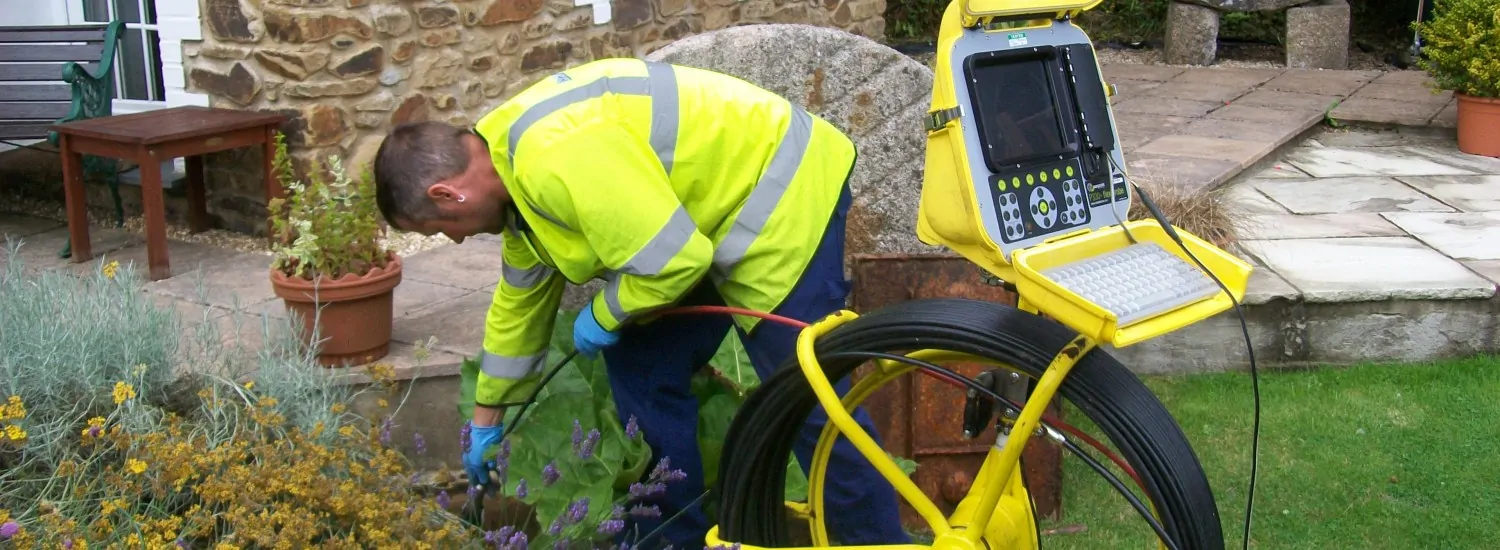
Professional drainage engineers have access to cameras, high-pressure water jets, and powerful drain rods that can remove blockages safely and prevent damage. Attempting to force stubborn blockages yourself can sometimes cause pipe damage or worsen the problem, which is why timely intervention by experts is recommended.
The Risks of Leaving a Drain Blocked
Allowing a blocked drain to go untreated can lead to severe issues including unpleasant odours, surface water flooding, and damage to property structure. In Egham’s residential areas, water backing up into sinks, baths, or toilets can cause hygiene concerns and potential health hazards.
Prolonged blockages may also attract pests such as rats and insects, especially in warmer months. Moreover, in older homes around Thorpe or Wraysbury, stagnant water and moisture can damage wooden floorboards and plaster, leading to costly repairs. Addressing blockages promptly minimizes these risks and protects your home.
Preventing Future Drain Blockages in Surrey Homes
Regular maintenance is key to preventing blockages. Avoid pouring cooking fat or grease down kitchen sinks, and use drain covers to catch hair and debris in bathrooms. In homes throughout Egham, Thorpe Lea, and Englefield Green, inspecting outdoor drains before autumn can reduce leaf build-up.
Flushing drains with hot water weekly helps keep pipes clear, and if you have mature trees nearby, consider regular root inspections by a drainage specialist. Taking these steps reduces the likelihood of inconvenient and costly blockages across Surrey homes.
Need a drainage expert in Egham?
Call 0800 669 6492